Explore the island's incredible wildlife sanctuaries
Yala National Park is Sri Lanka's most visited and second-largest national park, renowned worldwide for having the highest density of leopards per square kilometer. Located in the southeast region of the island, this 979 sq km wilderness sanctuary is a treasure trove of biodiversity. Block 1, the most popular section, offers incredible wildlife viewing opportunities with open scrublands, rocky outcrops, and beautiful coastal landscapes.
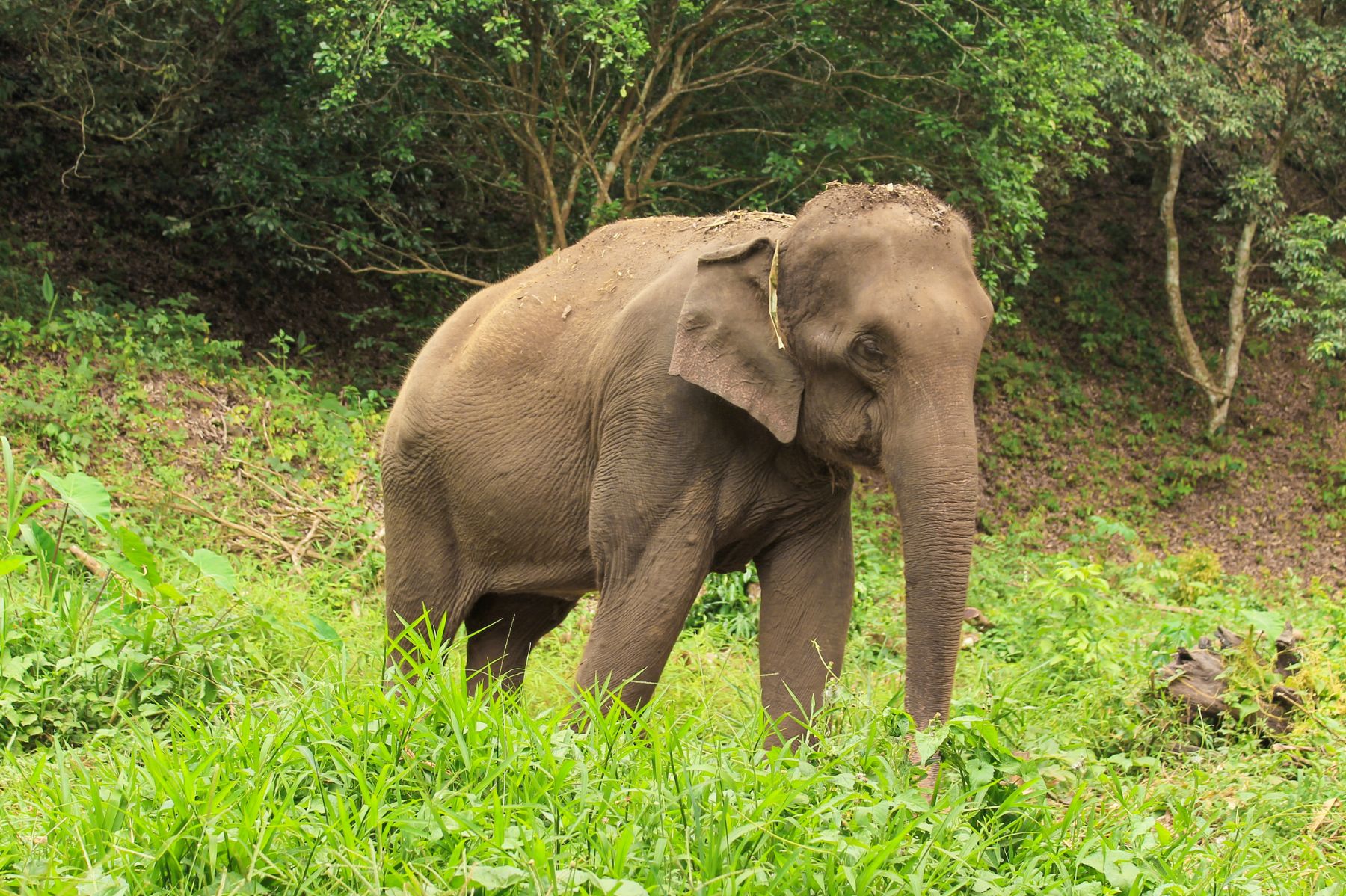
Udawalawe National Park is often compared to the African savannah due to its open grasslands and large elephant herds. Home to approximately 600 elephants, this park offers some of the best elephant sightings in all of Asia. The park was created to protect the watershed of the Udawalawe Reservoir and spans over 30,000 hectares of diverse habitats including scrublands, marshes, and riverine forests.
Wilpattu, meaning "Land of Lakes," is Sri Lanka's largest national park and one of the oldest wildlife reserves in the world. What makes Wilpattu unique are its natural sand-rimmed lakes called "villus" that are scattered throughout the park. These villus are the lifeblood of the ecosystem, attracting wildlife year-round. The park is less crowded than Yala, offering a more intimate and serene wildlife experience.
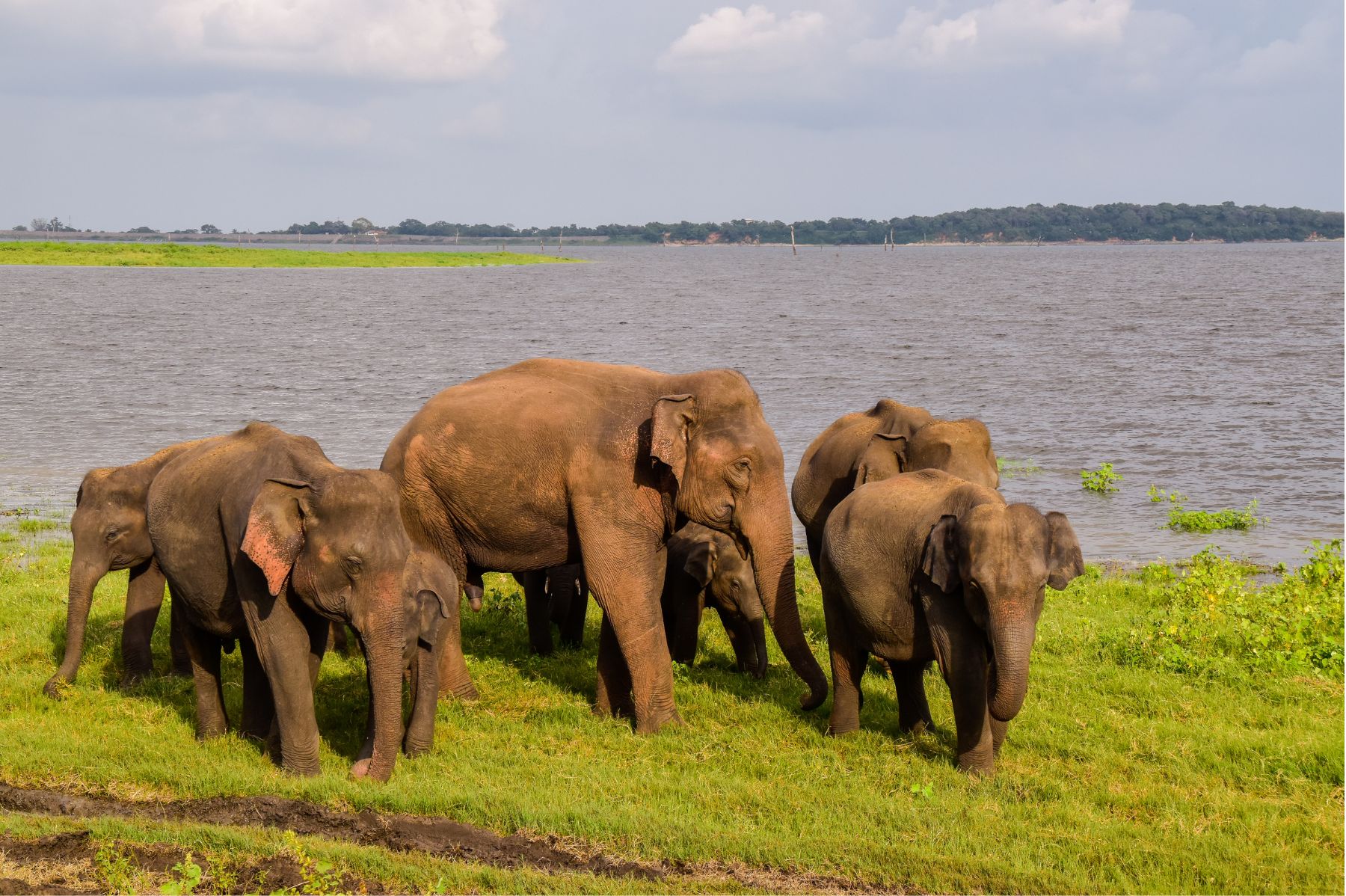
Minneriya National Park is world-famous for "The Gathering" — one of the greatest wildlife spectacles on Earth. Between July and October, up to 300 wild elephants congregate around the ancient Minneriya reservoir built by King Mahasen in the 3rd century AD. This awe-inspiring event is considered the largest gathering of Asian elephants anywhere in the world.
Kumana National Park, formerly known as Yala East, is one of the most important bird nesting grounds in Sri Lanka. The Kumana Villu (lagoon) is a large mangrove swamp that serves as a vital breeding ground for thousands of waterbirds. Between April and July, the park comes alive with nesting colonies of herons, egrets, storks, spoonbills, and many more species, making it an absolute paradise for birdwatchers.
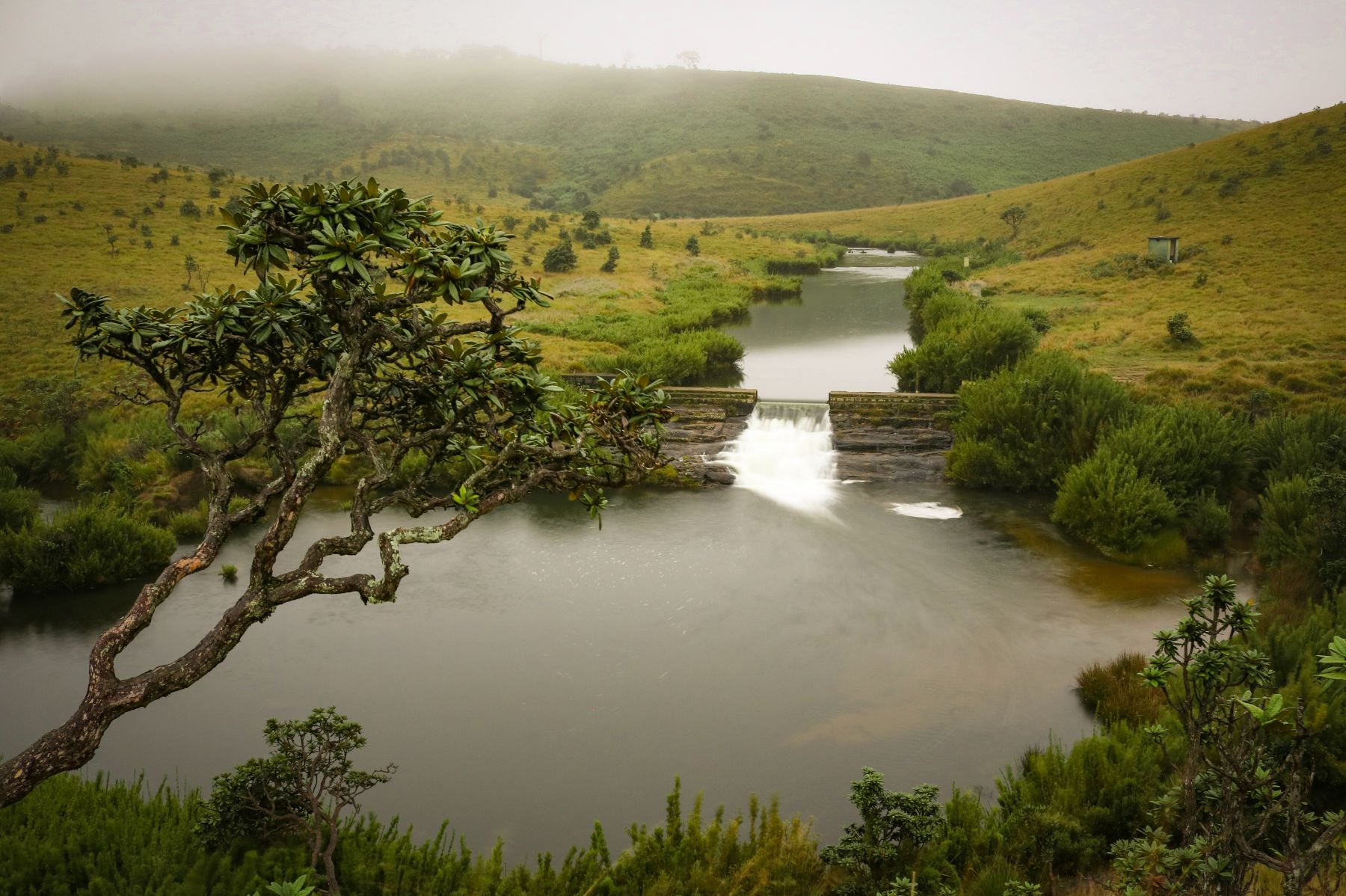
Horton Plains is a stunning highland plateau located at over 2,100 meters above sea level, offering a dramatically different landscape from Sri Lanka's lowland parks. This UNESCO World Heritage Site features cloud forests, grasslands, waterfalls, and the famous World's End — a sheer cliff with a 880-meter drop offering breathtaking views. The park is home to many endemic species found nowhere else on Earth.
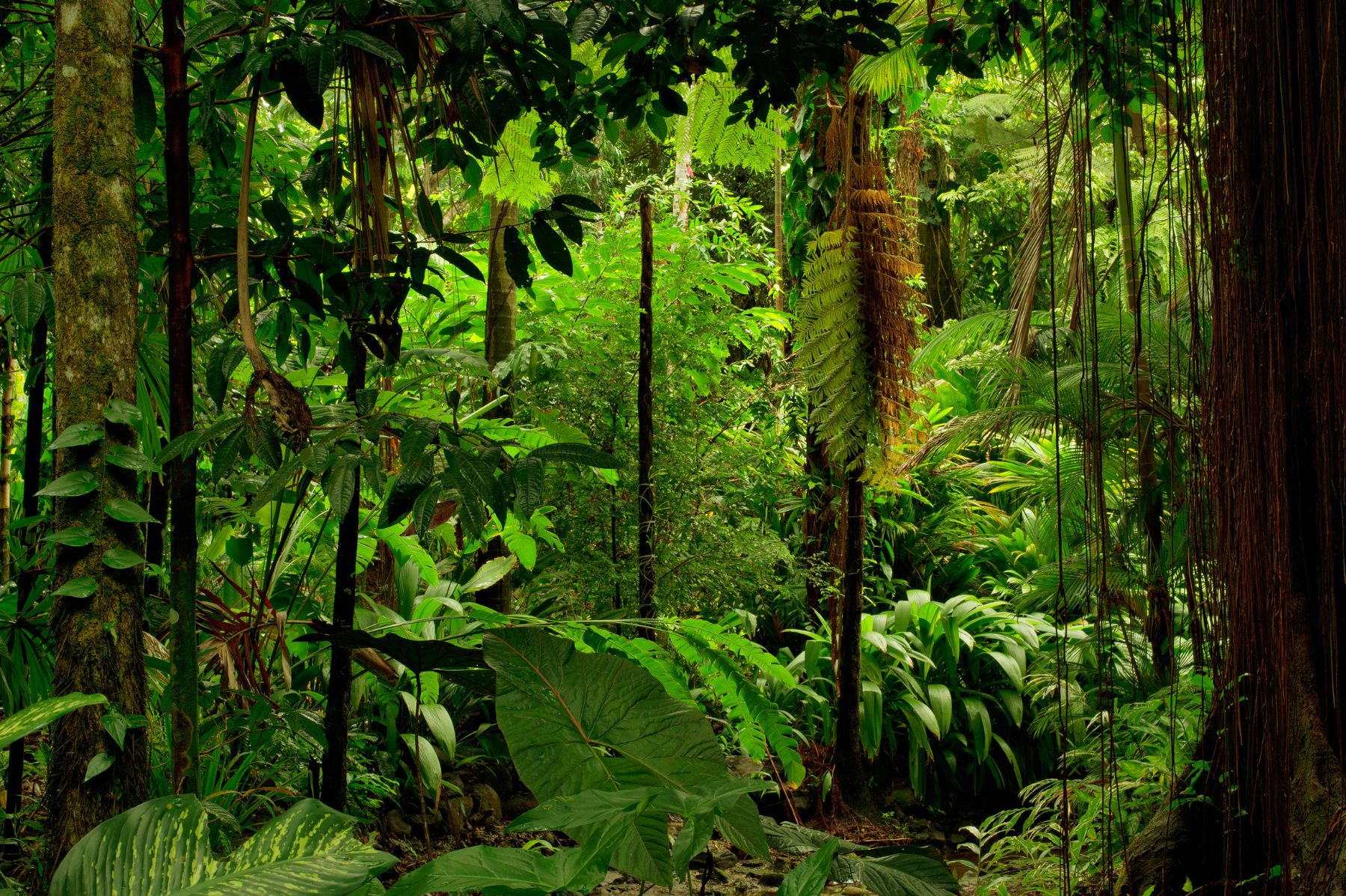
Sinharaja, meaning "Kingdom of the Lion," is Sri Lanka's last remaining tropical lowland rainforest and a UNESCO World Heritage Site. This biodiversity hotspot is home to an extraordinary number of endemic species — over 60% of trees and 50% of animals found here exist nowhere else on Earth. The forest is famous for its mixed-species bird flocks that travel through the canopy.
Bundala is a Ramsar Wetland of international importance and one of the finest birdwatching destinations in Sri Lanka. Located along the southern coast, this park features a mosaic of lagoons, sand dunes, marshlands, and scrublands. It's particularly famous for hosting flocks of greater flamingos during the winter months, along with over 200 other bird species.
Wasgamuwa National Park is one of Sri Lanka's lesser-known gems, offering a truly off-the-beaten-path wildlife experience. The park protects a vital elephant corridor and is home to significant populations of elephants, with herds often gathering near the ancient Moragahakanda reservoir. Its remote location means fewer tourists and more intimate wildlife encounters.
Kaudulla National Park is centered around the ancient Kaudulla Reservoir and is an important gathering point for elephants. As part of the elephant corridor that includes Minneriya and Wasgomuwa, Kaudulla hosts its own version of "The Gathering" when elephants move here as water recedes from Minneriya. The park also supports a rich diversity of waterbirds around its reservoir.